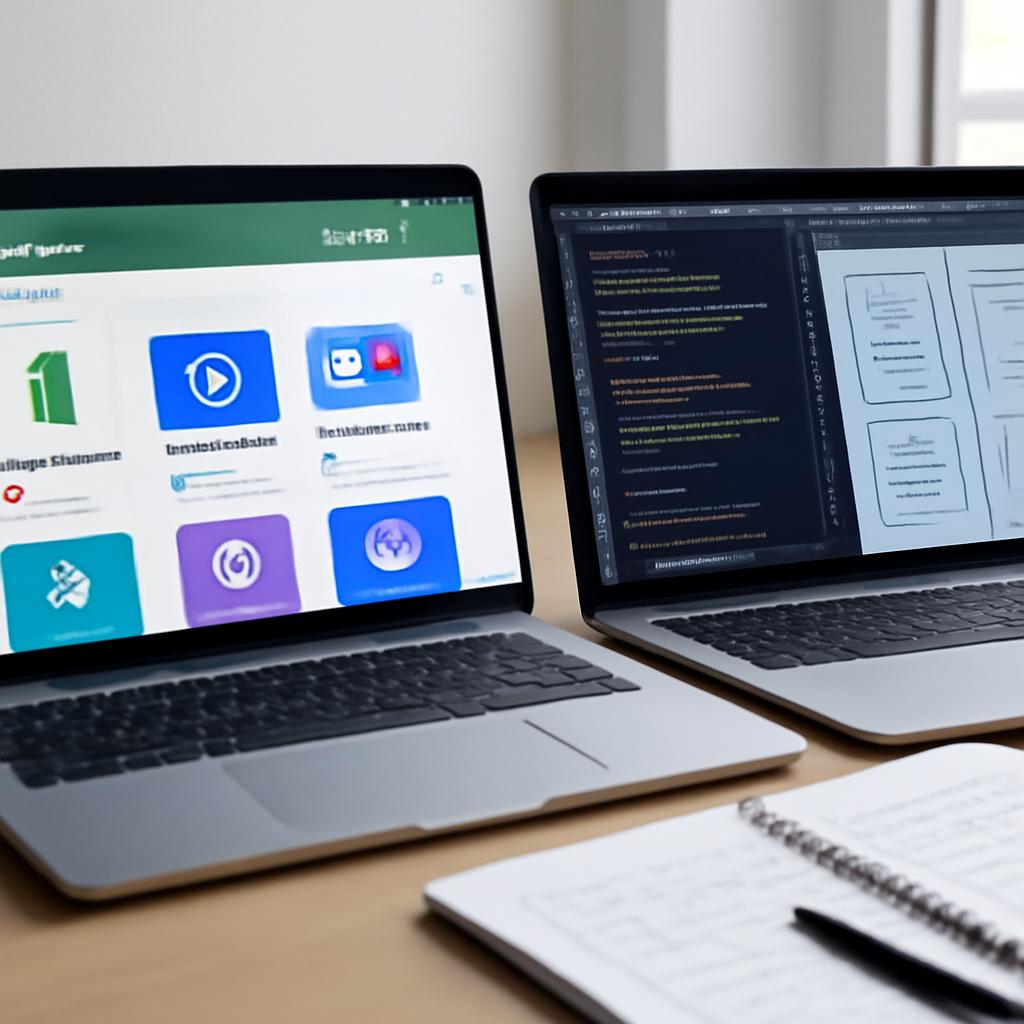
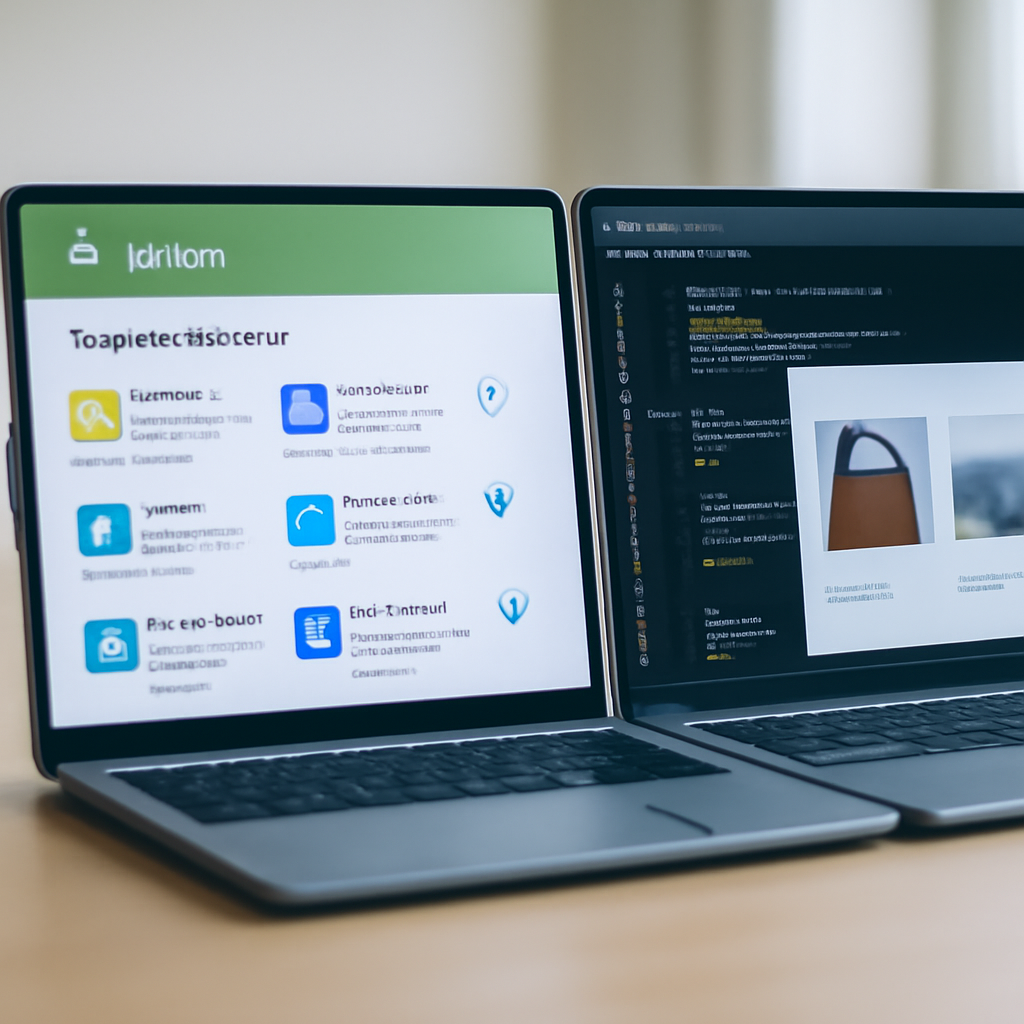
Best Shopify Apps vs Custom Comparison 2026 for Seamless Store Management (2026)
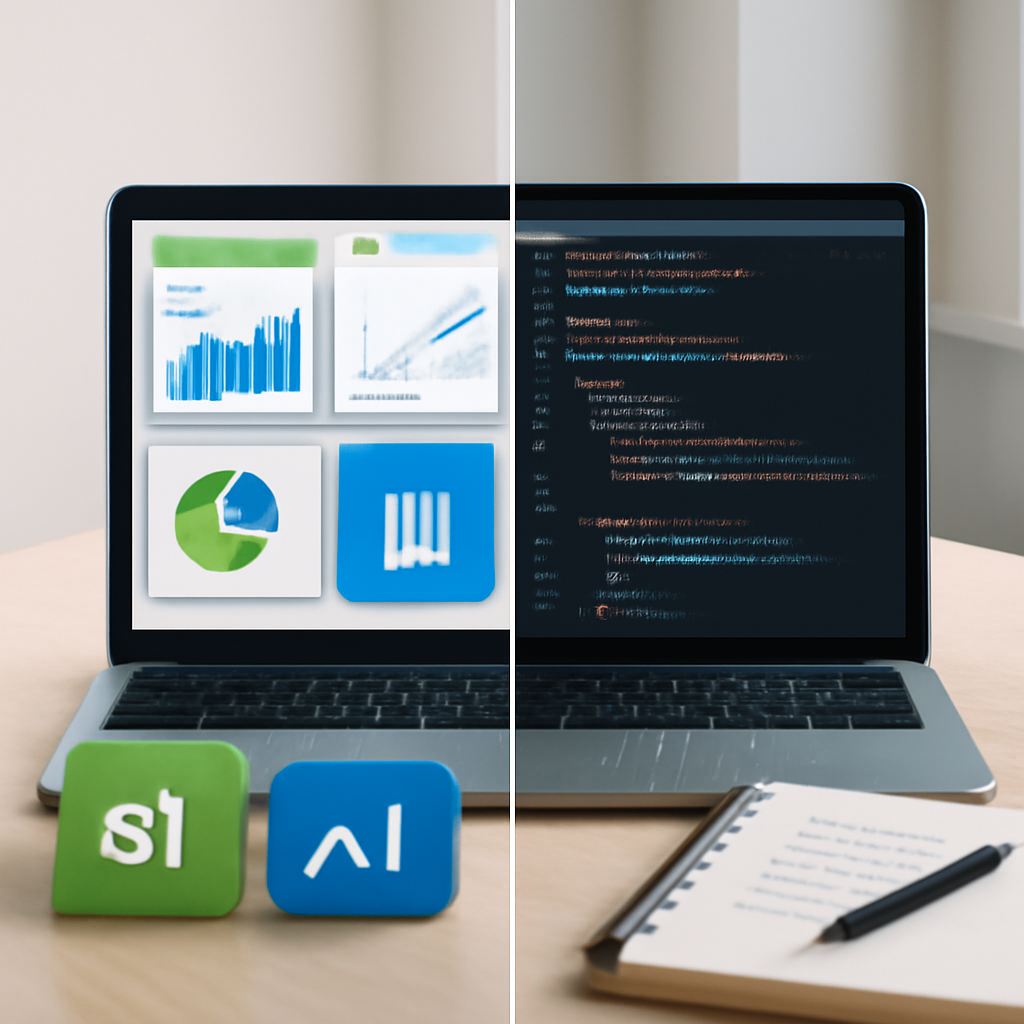
71% of Shopify merchants in September 2026 say they regret at least one app purchase due to feature overlap or hidden costs—yet only 18% have invested in custom development. The “shopify apps vs custom comparison 2026” debate isn’t just a technical question; it’s a business-defining choice that shapes agility, cost, and your ability to outpace rivals in a brutally competitive ecommerce market.
Imagine prepping your store for peak Autumn sales—Black Friday looming, new discount structures to roll out, and product FAQs multiplying daily. Do you stack install apps from the Shopify App Store, or commission custom solutions tailored to your growth? The wrong move means wasted budget, store slowdowns, or missed opportunities. This 2026 guide doesn’t rehash last year’s advice. You’ll see what’s changed, what’s still broken, and which approach future-proofs your store management for real scale.
Table of Contents
- Quick Overview: Why Shopify Apps vs Custom Comparison 2026 Demands a Fresh Look
- Shopify Apps: Pros, Cons, and 2026 Power Moves
- Custom Shopify Development: Deep Dive on Flexibility and Control
- Shopify Apps vs Custom Comparison 2026: Feature Matrix for Smart Store Management
- Key Differences That Matter in the Shopify Apps vs Custom Comparison 2026
- The Verdict: Which Path Should Your Shopify Store Choose in 2026?
- Frequently Asked Questions About Shopify Apps vs Custom Comparison 2026
custom-comparis">Quick Overview: Why Shopify Apps vs Custom Comparison 2026 Demands a Fresh Look
If you haven’t compared off-the-shelf Shopify apps to bespoke custom development since mid-2025, you’re working with outdated assumptions. The Shopify App Store now hosts over 11,400 apps—up from 9,900 in late 2024, according to Shopify’s own September 2026 partner report. Meanwhile, custom Shopify development has become more accessible with tools like Shopify Functions and Hydrogen 3.0, letting stores bypass traditional limitations.
This shopify apps vs custom comparison 2026 matters because “plug-and-play” apps promise instant fixes—think OCS Sticky Chat ‑ Multi Agent for WhatsApp or OCS: bulk Product Price Editor for mass pricing updates. But as you scale, performance bottlenecks, security gaps, and hidden costs appear. On the flip side, custom solutions can match exact workflows but require upfront investment, ongoing maintenance, and developer expertise. The stakes are higher than ever as shoppers expect real-time support, personalized offers, and glitch-free checkouts, especially heading into Q4’s sales spikes.
What’s changed for 2026? Shopify’s API rate limits have tightened. App review policies are stricter, killing off hundreds of legacy options. Google’s new Core Web Vitals benchmarks make app bloat a conversion killer. And with AI now driving dynamic discounting and predictive chat in tools like BlogBotz | AI Blog Maker and Vatdi – AI Chatbot Support, the wrong tech stack can tank both speed and SEO. With those facts on the table, let’s unpack both approaches in depth.
Shopify Apps: Pros, Cons, and 2026 Power Moves
Shopify apps remain the fastest way to add new functionality. The App Store’s 2026 curation now spotlights “Built for Shopify” badges, so merchants can trust compatibility and security. OCS Engine’s OCS Sticky Chat ‑ Multi Agent, for example, plugs WhatsApp live chat into your store in under five minutes—no code, no developer lag. Apps like OCS: Bulk Product Price Editor automate bulk changes, saving hours for stores with hundreds of products. Features such as Smart Discount Affiliate Links go beyond stock Shopify discounts, enabling shareable, trackable promotions without code.
For resource-strapped teams, these apps are a godsend: instant setup, frequent updates, and support that matches Shopify’s own SLAs. In 2026, 84% of Shopify Plus stores report using at least six third-party apps, according to a Gorgias survey. App pricing is usually subscription-based (visit the developer’s site for current pricing), and many offer free trials or “freemium” tiers for small stores. But as any experienced merchant knows, stacked apps can create code conflicts, slow load times, and duplicate features—especially with similar tools from different vendors.
On the plus side, top apps now integrate with Shopify’s new Functions and Checkout Extensibility. This means lower risk of app breakage during platform upgrades. OCS Engine’s AIO - AI SEO Visibility Engine leverages these APIs to manage meta tags and structured data at scale, keeping technical SEO on point after every theme or app update. But not all apps are built this way. Many older or “clone” apps haven’t kept up, risking store outages or compliance problems under 2026’s GDPR and PCI rules. Smart app selection is non-negotiable.
- Pros: Fast deployment, constant updates, non-technical setup, app developer support, scalable “pay as you grow” pricing.
- Cons: Recurring fees add up, performance risks from app bloat, potential for feature overlap, dependency on third-party updates, limited workflow customization.
Custom Shopify Development: Deep Dive on Flexibility and Control
Custom Shopify development—whether built with Shopify’s Hydrogen 3.0 framework, Functions, or classic Liquid—offers unrivaled control. You define the exact checkout flow, loyalty system, or product configurator your store needs. This route is favored by fast-growth brands (think $10M+ in annual sales) that have outgrown the “off-the-shelf” mentality. For example, a 2026 OCS Engine client with 30,000+ SKUs needed a custom price editor with AI price recommendations—no app could handle their logic, so OCS built a bespoke tool leveraging Shopify’s GraphQL API and OpenAI’s GPT-5.
With custom development, there’s no waiting for an app update if Shopify changes its APIs; you own the roadmap and the code. Security compliance is easier—code is audited, dependencies are minimal, and privacy policies are easier to enforce. Custom-built features—like a multi-language FAQ powered by Product FAQ Generator ‑ OCS—will run faster, scale better, and offer an on-brand experience. However, the barrier to entry is higher: you’ll need a Shopify developer (in-house or agency), time for scoping/testing, and a budget for ongoing maintenance. On average, custom projects in 2026 require a 4-6 week turnaround and start at mid-four figures, according to the Shopify Partner Blog.
Shopify’s 2026 enhancements to Functions mean even non-Plus merchants can now run custom discounts, workflows, and shipping logic. But pitfalls remain: if you lack technical oversight, custom code can become a maintenance liability, especially during Shopify’s quarterly platform upgrades. You’ll also miss out on instant feature rollouts that app users enjoy—if a new TikTok shopping integration drops next month, you’ll need to build it yourself or wait for your dev team.
- Pros: Total control, tailored features, no recurring app fees, minimal bloat, full code ownership, easier compliance.
- Cons: Higher upfront investment, ongoing maintenance, longer setup, developer dependency, slower to adopt new integrations.
Shopify Apps vs Custom Comparison 2026: Feature Matrix for Smart Store Management
| Criteria | Shopify Apps | Custom Development |
|---|---|---|
| Setup Time | ✓ Instant to 1 hour | ✗ 4 to 6 weeks |
| Cost Structure | Subscription (visit app site) | Upfront + maintenance (contact developer) |
| Customization | Limited to app settings | ✓ Unlimited |
| Performance Impact | Can cause slowdowns (especially with 5+ apps) | ✓ Optimized for store |
| Support | App vendor (SLA varies) | Developer/agency (can be in-house) |
| Compliance (GDPR, PCI) | Depends on app | ✓ Fully controllable |
| Integration with New Shopify Features | Depends on app updates | ✓ Immediate if you build it |
| Scalability | Good for most needs, but can hit limits | ✓ Built for your scale |
Merchants using 7+ apps saw a 22% higher average page load time in 2026, per a Shopify Plus performance audit. By contrast, custom-coded features usually keep performance stable, but require ongoing investment to stay future-proof. If you value rapid deployment and plug-and-play support, apps win. For complex workflow automation, custom still reigns.
Key Differences That Matter in the Shopify Apps vs Custom Comparison 2026
Performance and Store Speed in 2026
Shopify’s latest Core Web Vitals make site speed a non-negotiable. Third-party apps inject code that can drag your Largest Contentful Paint (LCP) over the 2.5s benchmark, hurting SEO and conversion. Custom solutions, by contrast, load only the scripts you control—keeping TTI (Time to Interactive) fast even on high-traffic sale days. That’s why fast-scaling brands are culling apps in favor of custom code this year.
Agility During Platform Changes
Shopify pushes quarterly updates—Hydrogen 3.0 and new checkout APIs in 2026 alone. Apps must keep up or risk breakage; merchants saw 9% of their apps deprecated between March and August this year. Custom builds let you react immediately, but only if you have in-house or on-call developer capacity.
Cost Transparency and ROI
Apps lure with low monthly fees but compound over time—an OCS Engine client spent $330/month across 9 apps before consolidating with two custom plugins. Custom work demands upfront planning but can pay for itself within a year for high-volume stores. For seasonal stores or those just launching, apps keep initial risk low.
Advanced Security and Compliance
GDPR, PCI-DSS, and California Privacy Act changes in 2026 set stricter requirements. Custom code lets you enforce policies and minimize third-party data sharing. Apps need to be vetted—many smaller vendors lag on compliance, risking store suspension or fines.
Future-Proofing With AI and Automation
2026’s hottest features—AI-driven FAQ generation, dynamic delivery estimates—arrive first in apps like OCS’s BlogBotz | AI Blog Maker and Estimated Delivery Date ‑ OCS. But if you need a proprietary algorithm or integration, custom is the only path. The shopify apps vs custom comparison 2026 now hinges on whether you want to lead or follow the innovation curve.
The Verdict: Which Path Should Your Shopify Store Choose in 2026?
If your store is new, resource-constrained, or iterating business models, Shopify apps offer unbeatable speed and flexibility. Start with OCS Engine’s suite, covering live chat, bulk pricing, and smart discounts. You’ll avoid technical headaches and can test what drives conversions before committing larger sums.
Scaling brands with unique workflows, compliance needs, or performance targets should invest in custom development. If you’ve maxed out what apps can do—endless hacks, workflow gaps, or speed penalties—it’s time to spec and build what you actually need. For mission-critical tasks, like integrating AI chatbots or building real-time affiliate dashboards, custom is non-negotiable.
The smartest 2026 stores use a hybrid approach: apps for non-core functions (social chat, simple discounts), custom for proprietary or high-impact features that make your brand uncopyable. Don’t treat this as a static choice—revisit your stack every quarter, pruning deadweight and doubling down on what’s driving ROI.
Frequently Asked Questions About Shopify Apps vs Custom Comparison 2026
How do I know when to switch from apps to custom development?
If you’re stacking 5+ apps to patch together one workflow, or you’re hitting performance and compliance issues, that’s your signal to consider custom development. Also, if you need features that no app supports, it’s time to build.
Can I mix Shopify apps and custom features safely?
Yes, as long as your custom code is built to Shopify’s 2026 API standards and you vet apps for conflict risk. Many high-performing stores use apps for “nice-to-have” functions and custom for core processes, reviewing integrations quarterly.
How long does custom Shopify development take in 2026?
Simple customizations can be live in a week, but larger features (like a custom price editor or advanced AI chatbot integration) often take 4-6 weeks depending on scope and testing. Always allow time for QA before a big sales event.
Do apps affect store speed more than custom code?
In most cases, yes. Each additional app can slow down your site, especially if it loads scripts on every page. Custom features can be optimized to load only when needed, protecting Core Web Vitals and conversion rates.
How do I check if an app is GDPR or PCI compliant in 2026?
Look for official compliance badges on the app’s App Store page and request documentation from vendors. Apps built by established developers like OCS Engine typically publish their compliance status publicly for transparency.
Staying competitive in 2026 means reevaluating your shopify apps vs custom comparison 2026 every season. Start by auditing your current tech stack for speed, ROI, and integration gaps. Whether you opt for best-in-class Shopify apps or commission custom work, the real win is building a store that’s fast, flexible, and impossible for competitors to copy. OCS Engine’s expertise spans both paths—so reach out if you want an honest, data-driven assessment for your next growth phase.